What to Expect During Your Biomechanical Assessment
Fern Dawson, Registered Podiatrist, explains what to expect during a MSK Biomechanics Assessment, Gait Analysis & Custom Orthotics appointment.
A biomechanical appointment allows your podiatrist to assess how your feet and lower limbs are functioning and how this may be contributing to pain or injury. Below is a step-by-step outline of what happens during the session:
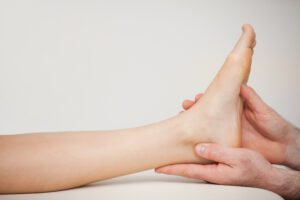
1. Initial Discussion and Medical History
Your podiatrist will begin by asking questions about:
• Your current symptoms (pain, stiffness, injury history)
• Your general health and medical history
• Lifestyle factors such as occupation, activity levels, and footwear habits
This helps us understand the bigger picture and tailor the assessment to you.
2. Footwear Review
Please bring the shoes you wear most often. These are examined for:
• Wear patterns
• Suitability for your foot type and activity
• Structural support

3. Static Postural Assessment (Weight-Bearing)
While standing, the podiatrist will assess:
• Alignment of the feet, ankles, knees, and hips
• Arch height or flattening
• Symmetry, posture and weight distribution
4. Dynamic Gait Analysis (Walking Assessment)
You will be asked to walk (and sometimes jog) while the podiatrist observes:
• Foot function through the gait cycle
• Joint movements
• Timing and sequencing of muscle activity
This may also involve video capture for slow-motion review.

5. Joint Range of Motion Testing
By gently moving your feet, ankles and lower limb joints, we assess:
• Flexibility
• Joint restrictions or tightness
• Muscle strength or imbalance
6. Functional Tests
Specific balance and movement tests may be performed to assess:
• Muscular control
• Stability
• Ability to perform functional movements (e.g. heel raises, single-leg stance)
7. Diagnosis and Explanation
The podiatrist will bring everything together and explain:
• The cause of your symptoms
• Any biomechanical abnormalities identified
• How these contribute to your pain or injury

8. Treatment Plan and Recommendations
You will then be provided with a personalised treatment plan, which may include:
• Stretching and strengthening exercises
• Orthotic or insole prescription
• Footwear advice or modifications
• Activity modifications or load management advice
9. Next Steps and Follow-Up
If required, follow-up appointments will be arranged to:
• Review your progress
• Make any adjustments (e.g. to orthotics)
• Update your exercise program
For more information, and how to book, visit the following page: