Stress
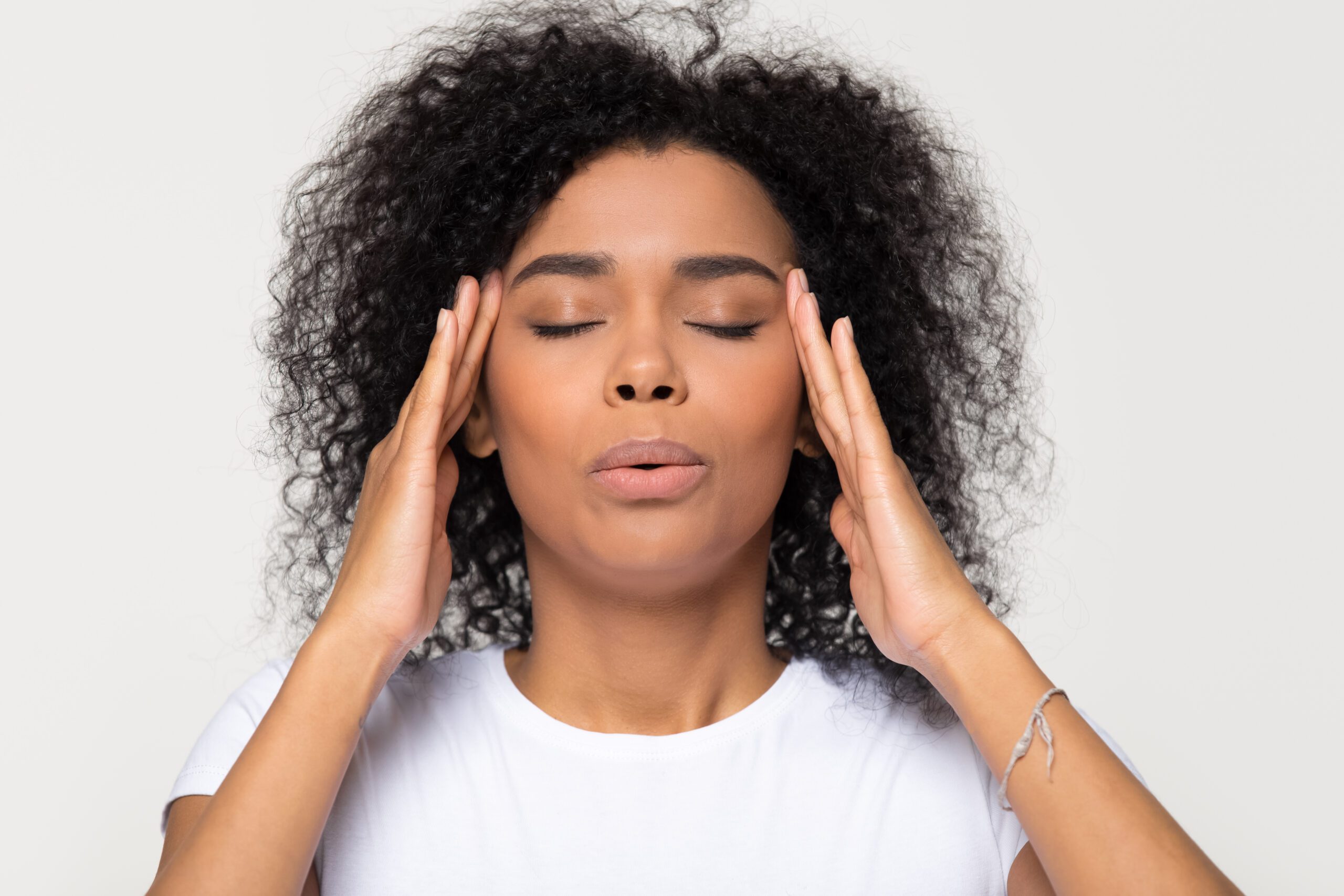
Stress is a problem that will affect most of us in our lifetime. Many people think of stress as a problem that only affects us mentally, but it can often impact our physical well-being as well. Our practitioners in Leeds and Manchester can treat both the physical and psychological symptoms of stress, helping you back to health and happiness.
Same day appointments, evenings and weekends

Registered with AXA, Vitality WPA & AVIVA.

City centre clinic locations close to amenities.

Cutting-edge technology; class 4 laser & shockwave.
What is stress?
Stress is the body’s mainly physical response to a stressor (i.e. a stimulus or environmental condition). When humans are stressed, the sympathetic nervous system is activated, resulting in a fight or flight response. Typically, stress is described as either a negative or positive condition that has an impact on your mental and physical wellbeing.
Today’s busy lifestyles can contribute to elevated stress levels. The more we experience the physical symptoms of stress, the more unwell we feel, and the more our stress response is elevated. It becomes a vicious cycle.
Symptoms of stress:
– Memory problems & Inability to concentrate
– Poor judgement, indecision & Self doubt
– Depression & Moodiness
– Irritability & Cynicism
– Anxiety, Panic & Feeling Overwhelmed
– Panic Attacks
– Low Immune System
– Skin Complaints & Break Outs
– Muscular aches & pains
What we offer to help with stress?
Treating stress will depend on your particular symptoms. An assessment will always be carried out before we start treatment. During your assessment you’ll be asked about your medical history and the details of your current situation. Generally, we treat the symptoms of stress with acupuncture or massage, or a combination of the two.
Research has shown that massage and acupuncture can help treat the symptoms of stress, here’s how:
– Relaxation response – during massage and acupuncture, our heart and breathing rate slows and our blood pressure lowers. This in turn reduces the production of stress hormones and increases feel-good hormones such as serotonin. This relaxation response could decrease the physical effects of stress, such as hypertension, cardiac arrhythmias, anxiety, insomnia, fatigue, sexual dysfunction, digestive disorders and psychological issues.
– Mechanical relaxation response – massage of soft tissue (muscle, connective tissue, tendons and ligaments) helps the release of nerves and deeper connective tissue.
– Circulatory changes –
Massage and acupuncture may affected the vascular circulation to area’s being worked on. Additionally movement of lymph (lymphatic drainage) is thought to improve immunity and reduce swelling.