Fungal Nail Treatment in Manchester
Your Step by Step plan to Fungal Nail Treatment at Freedom Care Clinics
We offer minimally invasive approaches to treating fungal nail infections by enhancing the delivery of antifungal agents. Here’s what to expect at our Manchester clinic.
Same day appointments, evenings and weekends

Registered with AXA, Vitality WPA & AVIVA.

City centre clinic locations close to amenities.

Cutting-edge technology; class 4 laser & shockwave.

What is Fungal Nail?
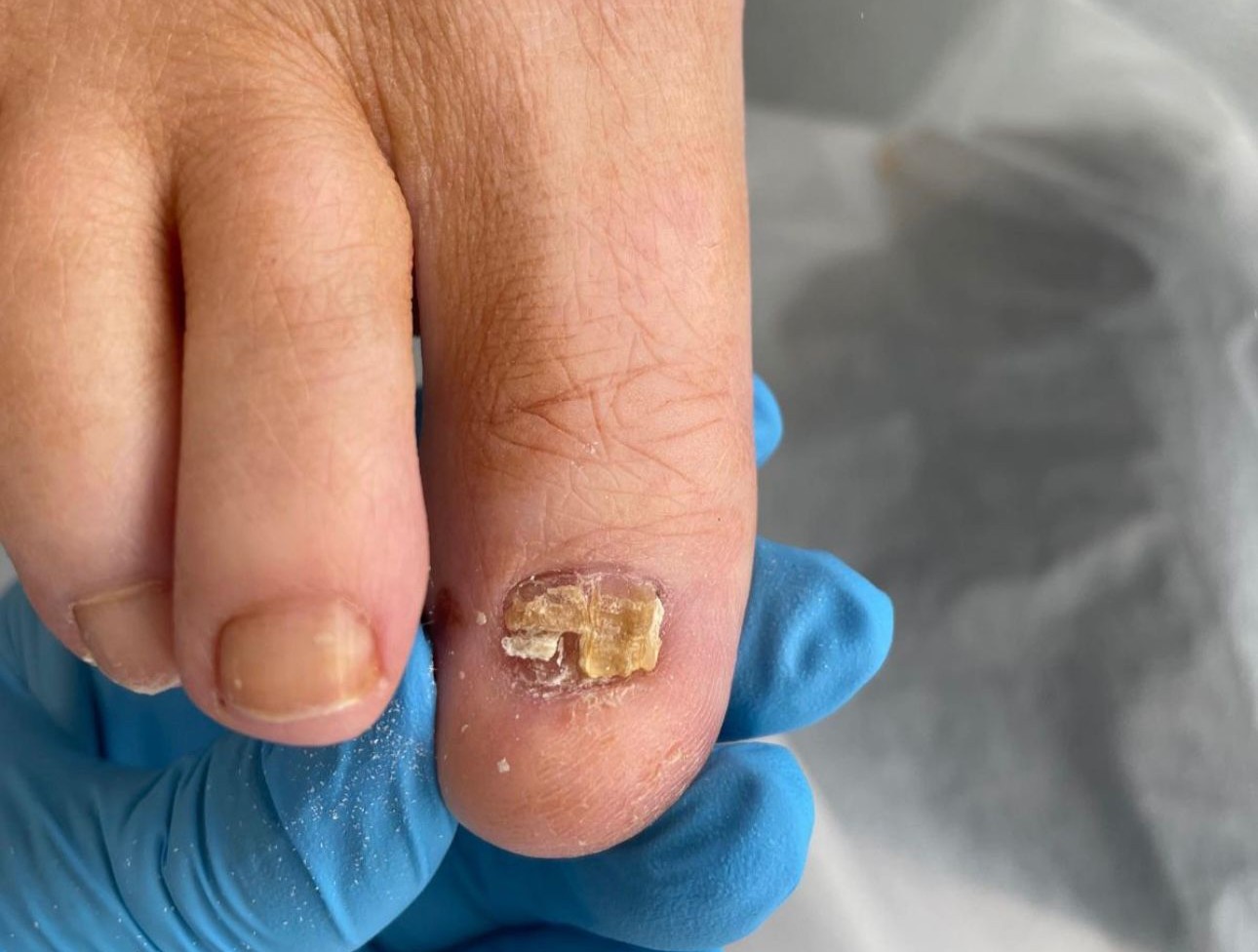
If your toenails have become discoloured, thickened, brittle, or crumbly, you may be dealing with a fungal nail infection. It’s one of the most common conditions we treat at Freedom Care Clinics. With the right approach, it’s highly manageable.
Many people struggle to get lasting results using over-the-counter creams or lacquers because the hard keratin nail plate blocks medication from reaching the active fungus. That’s where professional Podiatry treatments make all the difference.
A fungal nail infection occurs when fungal organisms (usually dermatophytes) invade the nail plate or nail bed. These fungi thrive in warm, moist environments such as shoes, gyms, and public swimming areas.
Infections can spread easily from person to person or from the skin (athlete’s foot) to the nails.
Common Causes and Risk Factors of Fungal Nail
– Wearing tight or enclosed shoes that trap moisture
– Walking barefoot in communal areas (gyms, pools, saunas)
– Having athlete’s foot (tinea pedis)- can spread to the nails
– Nail trauma, even minor injuries can open the door for infection
Prevention is always better than cure. You can reduce your risk by:
– Keeping feet clean and dry, especially between the toes
– Changing socks daily (wearing cotton or bamboo material)
– Avoiding sharing nail clippers or footwear
– Treating athlete’s foot promptly before it spreads to nails
– Avoiding closed shoes without socks
Initial Assessment
At Freedom Care Clinics Manchester the process begins with a thorough assessment, including nail examination and potentially fungal nail testing. The podiatrist will discuss medical history, lifestyle habits, and previous treatments. This ensures the suitability of Lacuna or Nail Occlusion Treatment.
The Lacuna Procedure
Lacuna Treatment involves creating tiny holes in the infected nail plate using a specialized drill. This technique allows antifungal solutions to penetrate directly to the site of infection, increasing effectiveness. The procedure is typically painless, with minimal discomfort.
The treatment course includes multiple sessions depending on infection severity. Patients are also advised on proper foot care and prevention strategies
Nail Occlusion Procedure
Occlusion Therapy is designed to enhance topical antifungal absorption by ensuring direct contact with the nail bed. Perfect for thicker or more advanced infections.
After careful nail reduction and cleaning, your podiatrist applies the antifungal directly to the nail bed. You’ll continue applying the product at home while the healthy new nail grows through fungus-free.
Follow Up Care
Follow-up appointments track healing and nail regrowth. The podiatrist ensures the infection clears and adjusts the treatment plan if needed. Post-treatment care emphasises hygiene practices and footwear adjustments.
As the healthy nail grows out, the damaged area is trimmed away over time.
Visible improvement is often seen within a few months, with full recovery taking 9–12 months depending on nail growth.
With consistent treatment, you can expect:
– Noticeably healthier, clearer nails within months
– Reduced thickness and discomfort
– Long-term control with proper aftercare
Alternative management Options
Each case is unique and you may be offered alternative approaches such as topical treatments, oral antifungal medications, laser therapy, and surgical nail removal for severe cases. Supportive measures like improved foot hygiene, breathable footwear, and regular podiatry visits complement treatment.
Long Term Benefits
Benefits of both treatments
Safe, quick, and pain-free
Allows ongoing home treatment between appointments
No need for oral medication or blood tests
Ideal for mild to moderate infections
Why choose us for fungal nail infection treatment in Manchester?
You’re in safe hands, all practitioners are fully qualified, experienced and registered with the relevant regulatory bodies.
The latest facilities and equipment
Convenience, our city-centre clinic is open from early morning to late evening and on weekends. We are located at Hanover House, 30-32 Charlotte Street, Manchester M1 4FD. A short walk from St Peter Square & Piccadilly Gardens Tram stop. Parking is available on Charlotte Street and Faulkner Street.
Insurance accredited – most of our practitioners are covered by insurance providers including, Aviva, AXA, Bupa, Vitality, WPA Health, Premex, Cigna, Speed Medical, Simply Health and Sovereign Healthcare
For More Information regarding Fungal Nail Infection Treatment in Manchester, please call or send a whatsapp message to our friendly team 0113 345 5060.